


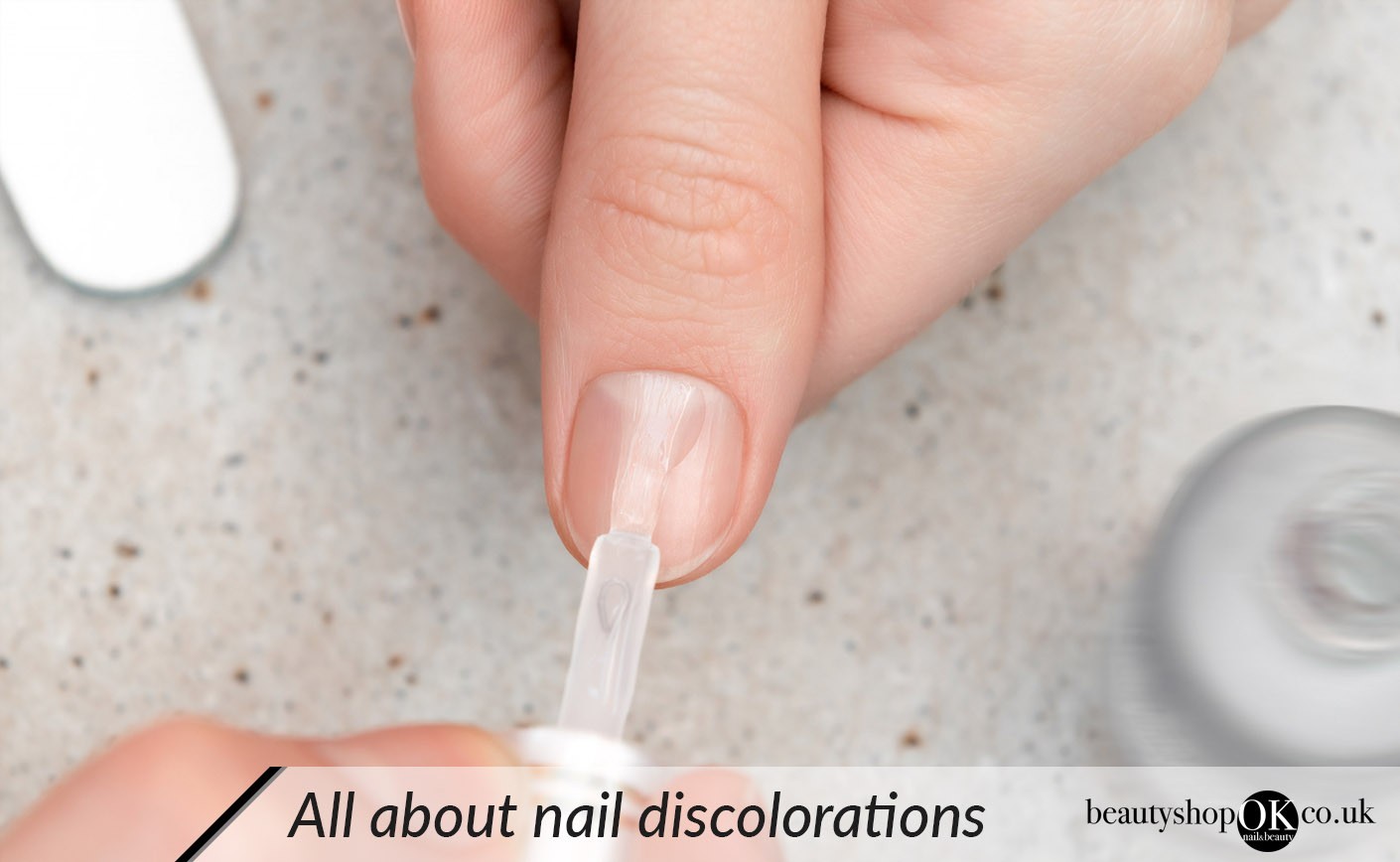
Nail discolorations can have various causes. They are not always a cause for concern, but sometimes they can be a sign of a disease and require a visit to the doctor. Learn how to recognize whether discolorations are the result of care errors that are easy to fix or when they are a symptom of nutrient deficiencies or some condition.
Nail discolorations - what do they indicate and when should you see a doctor?
In a healthy person, the nail color is light pink, and the nail plate is smooth and shiny. There is a white lunula at the base of the nail. Nails grow at a rate of about one millimeter per week; if the nail matrix is healthy, the nail should grow evenly and smoothly. However, as you age, the appearance of nails changes. The nail plate becomes denser, thicker (making it more difficult to care for), and more brittle. These are natural signs, but specific changes in the color of the nail plate can indicate deficiencies, care errors, or disease.
White spots on nails – what do they indicate?
Nail discolorations in the form of white spots are called leukonychia (whitening). On the nail surface, they look like white dots or streaks. There can be many causes for such changes, including mechanical damage, improper care, vitamin and mineral deficiencies, fungal infections, or systemic diseases.
White discolorations on nails - true and apparent leukonychia
True leukonychia (true whitening) is a condition where the matrix, the nail formation site, is damaged, and the keratinization process of nail cells is disturbed. White cells remain within the matrix. This condition is usually the result of mechanical injury, such as damage to the matrix from improper cuticle removal (pressing the tool too hard, such as a cuticle pusher; transverse grooves may also appear on the nail) or hitting the nail. True leukonychia is also associated with certain diseases, such as psoriasis, alopecia areata, or some infectious diseases.
There is also apparent leukonychia, where the nail matrix and nail plate are healthy and undamaged, but the changes affect the subnail cells. There is also pseudoleukonychia, white discoloration of the nail due to surface damage to the plate. These damages are usually the result of improper nail care. They can appear after using certain nail polish removers (acetone drying the nails), polishes, or after improper removal of gel polish with a drill, filing down the plate. Sometimes pseudoleukonychia also indicates superficial fungal nail infections.
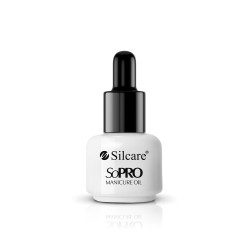
Volume: 15ml
Type: Manicure oil, HEMA free
Action: Improved conditions, moisturization and protection
EAN: 5902560547146

Condition: New
Volume: 6,5ml

The Garden of Colour nail oils are an excellent solution for those who dream of healthy, strong, and shiny nails. They will help take care of optimal hand care by regenerating damaged nail plates. Enriched with almond and peach oil, they will take care of your hands!

White discolorations and deficiencies
The most common changes in the nail plate are white spots. They can indicate various problems, the most common being nutritional deficiencies, specifically calcium (note - white discolorations on nails can appear in both deficiency and excess of this mineral!), zinc, silicon, iron, magnesium, potassium, protein, B vitamins, vitamins A, E, C. In the case of deficiencies, nail changes are often accompanied by other symptoms, such as deteriorating skin and hair condition or excessive hair loss.
It is best not to tackle deficiencies alone but first consult a doctor. Begin supplementation after appropriate tests show which nutrients you are actually lacking. Remember that hypervitaminosis or excess minerals can also be dangerous to the body.
White nail discolorations and systemic diseases
White nail discoloration, even localized, can indicate certain diseases and is too often overlooked. Diseases that have white nail discolorations as symptoms include:
- Diabetes,
- Chronic kidney disease,
- Liver cirrhosis,
- Malabsorption syndrome,
- Hypoalbuminemia.
Additionally, such discolorations can appear in people after chemotherapy.
Fungal-related white discolorations
Nail fungus is a common nail plate disorder. It can take several forms, with white spots on the nails being characteristic of each. The most common forms of nail fungus are distal and lateral subungual onychomycosis. The affected plate is dull, easily crumbles, even detaches from the nail bed, and eventually turns yellow. Proximal subungual onychomycosis starts with a white spot at the nail's base, eventually covering the entire plate. Over time, the nail crumbles.
In the case of nail fungus, treatment should be started as soon as possible. It is advisable to consult a podiatrist. After diagnosing a fungus, do not apply any polishes or preparations to the nails except for prescribed topical medications.
Yellow nail discolorations
Yellow discolorations on the nails do not necessarily result from a condition. Did you forget to apply a base before putting on regular polish? Yellow discolorations can appear, especially after using red, black, or other dark nail polishes. The base aims to protect the plate from polish pigments, so don't forget it!
Yellow discolorations can also indicate a nail disease, mainly fungal. In this case, the nail plate becomes brittle, layered, and thick. These discolorations are primarily symptoms of toenail fungus. Treating toenail fungus can include laser therapy, topical medications, and oral medication therapy.
Yellow nails can also be symptoms of liver diseases, hormonal disorders, or lymphatic system issues. Some medications can also cause the nail plate to yellow.
Green discolorations on nails - a sign of bacterial infection
The so-called green nail syndrome is an infection with the Pseudomonas aeruginosa bacterium. This type of discoloration caused by bacteria is hard to miss because the green shade is quite intense. When these changes appear, treatment with a dermatologist or podiatrist should be started immediately as the problem will worsen.
This bacterial infection usually appears under a lifted gel, acrylic gel, or gel polish base. This is why it is recommended not to wear applied styles for too long. Remember that Pseudomonas aeruginosa naturally occurs in soil, water, and sewage, so contact with it is quite common. Always remove all liftings carefully, or better yet, avoid their formation.
Nail plate damage caused by some fungi, especially Candida yeasts, can also cause greenish discolorations. Green nails can also indicate infections with Aspergillus fungi.
Brown and black discolorations on nails
Dark nail discolorations usually result from mechanical trauma. Typically, it is the aforementioned subnail hematoma, which appears after a strong hit or squeeze. What can you do in this case? One proven method is to apply cold compresses. Cooling the area where a fresh subnail hematoma appears helps reduce pain and swelling. However, it is recommended to refrain from applying gel or hybrid polish to avoid additional strain on this area.
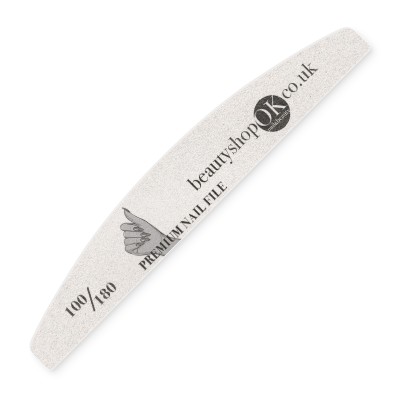
Manufacturer: DHB with BeautyShopOK logo
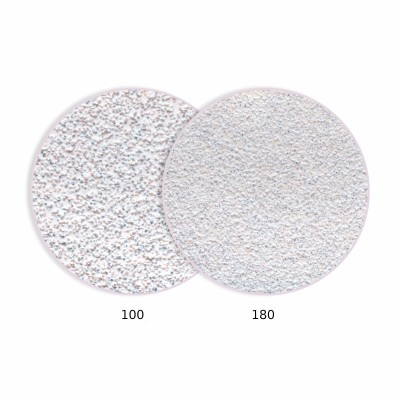
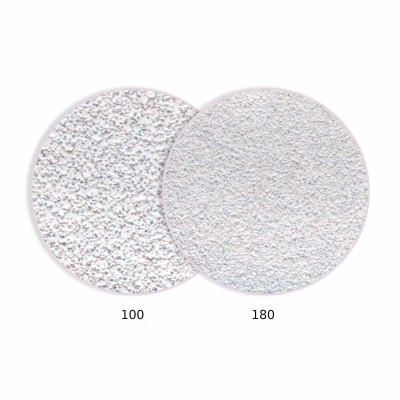
Gradation: 100/180
Pack size: 1pc
Type: Standard

Manufacturer: DHB with BeautyShopOK logo
Gradation: 100/180
Pack size: 50pcs
Type: Standard

Manufacturer: DHB with BeautyShopOK logo
Gradation: 100/180
Pack size: 100pcs
Type: Standard

Manufacturer: DHB with BeautyShopOK logo
Gradation: 100/180
Pack size: 500pcs
Type: Standard
Brown nail discolorations not caused by injury can indicate various problems in the body, such as thyroid diseases or exhaustion. Some fungal infections also manifest as brown discolorations.
If the nail changes are half white, half brown, it can indicate kidney failure. These organ disorders cause both melanin release into the nail from the nail bed and an increase in small blood vessels under the nails, observable through the nail plate.
Black discolorations in the form of a stripe can indicate gastrointestinal disturbances. Do not ignore such signs and show them to a doctor as soon as possible because black nail discolorations can also indicate developing malignant melanoma. Subungual melanoma, occurring in the nail bed, sometimes takes the form of black streaks on the nails. Fortunately, more often, black discolorations are simply the result of an impact or, in the case of black spots on toenails, hitting a hard object or wearing too tight shoes. Such trauma-induced changes grow out with the nail.
Nail discolorations can have various causes. They are most often harmless injuries, effects of improper care, or deficiencies in certain nutrients. However, do not delay showing any concerning changes on your nails to a doctor.






Leave a Reply Cancel Reply